
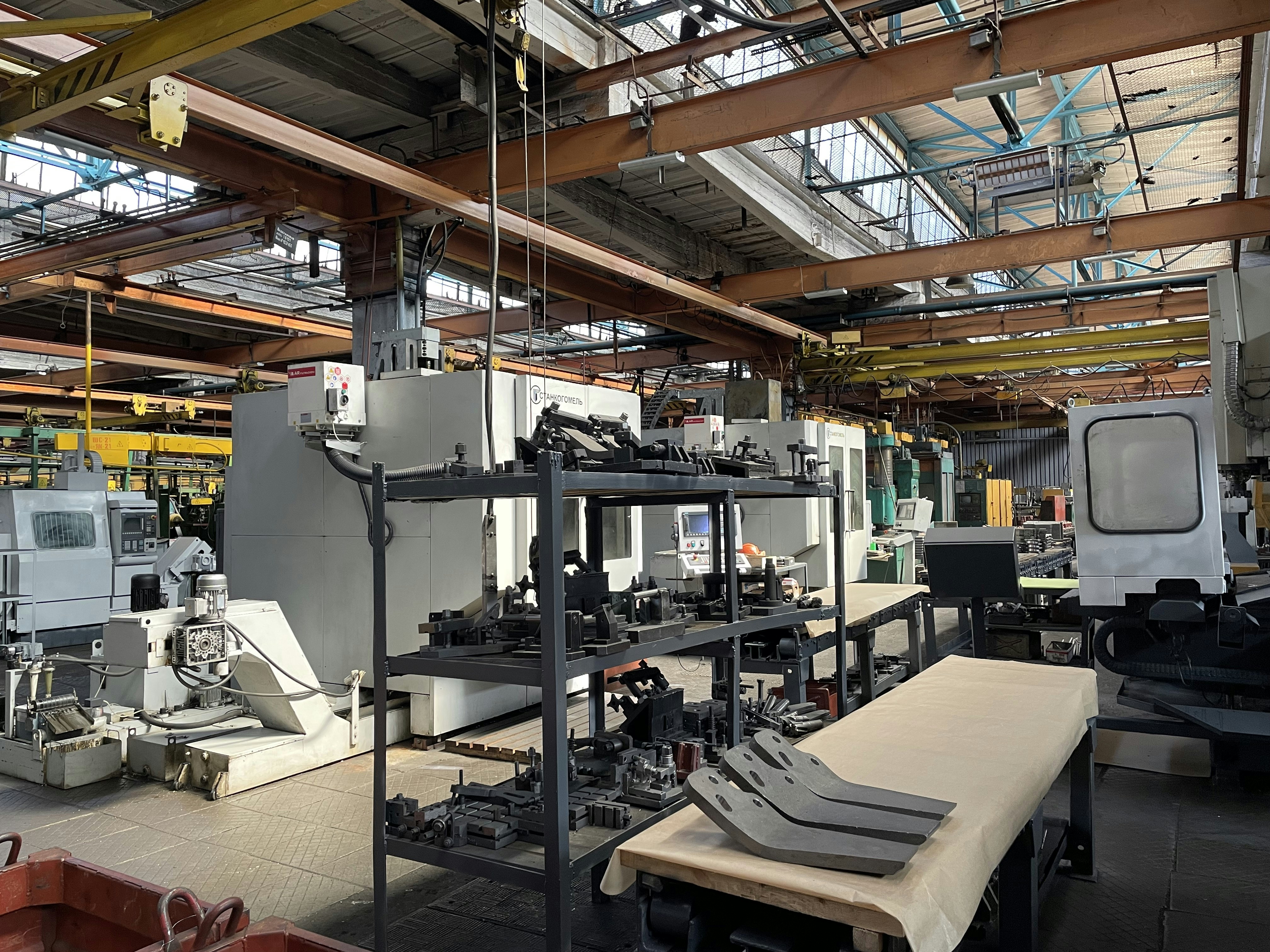
Understanding Indirect Procurement in Manufacturing
Indirect procurement in the manufacturing sector refers to the process of sourcing goods and services that are not directly tied to the production of the final product. Unlike direct procurement, which focuses on materials and components integral to manufacturing, indirect procurement encompasses a wide array of support services and supplies essential for the operational efficiency of a manufacturing organization. This includes expenditures related to packaging materials, courier services, office supplies, maintenance and janitorial services, and even IT support.
These categories, while often overlooked, play a crucial role in the overall functioning and productivity of a manufacturing entity. For instance, maintaining a clean and organized work environment through effective janitorial services contributes to employee morale and can reduce the risk of accidents that may disrupt production. Similarly, reliable courier services ensure that materials arrive on time, preventing delays that could hinder manufacturing schedules.
Moreover, the significance of indirect procurement extends to the strategic management of costs associated with these purchases. Many manufacturers tend to underestimate the cumulative impact of indirect spend, treating it as a mere administrative burden rather than a potential area for cost optimization. This misperception can lead to overspending in areas that do not directly contribute to revenue generation, ultimately eroding profitability.
Additionally, effective management of indirect procurement requires a strategic approach to vendor selection and relationship management. By consolidating suppliers and leveraging purchasing power, manufacturers can negotiate better terms and achieve significant savings. Thus, understanding the complete scope of indirect procurement is imperative for manufacturers aiming to enhance operational efficiency and maximize profit margins.
Common Causes of Overspending in Indirect Procurement
In the manufacturing sector, overspending on indirect procurement can be attributed to several interrelated factors. One of the most prevalent causes is the reliance on multiple vendors for indirect goods and services. When manufacturers engage with a variety of suppliers, they often encounter inconsistent pricing and terms, which can inflate costs significantly. This fragmentation leads to inefficiencies in managing supplier relationships, resulting in higher transactional costs and missed opportunities for consolidating purchases. A focused procurement strategy that emphasizes fewer, more reliable suppliers can help mitigate these issues.
Another common cause is the ad hoc purchasing practices that many manufacturers adopt, which lack the rigor of strategic planning. In the absence of a structured procurement strategy, organizations may resort to spontaneous buying for urgent needs, often paying higher prices as a result. This reactive approach to procurement not only increases costs but also undermines the potential for negotiating better terms or bulk discounts with preferred suppliers. Establishing a robust procurement process that prioritizes planning and forecasting can aid in reducing unnecessary expenditures.
Moreover, gaining visibility into total indirect spending poses significant challenges for manufacturers. Without comprehensive insights into where and how funds are being allocated, organizations struggle to identify inefficiencies or areas where savings can be realized. Typically, a lack of standardized reporting mechanisms further complicates this issue, as fragmented data across departments limits a manufacturer’s ability to conduct accurate analyses. Implementing centralized procurement platforms can facilitate better tracking and management of indirect spending, leading to more informed decision-making.
The Financial Impact of Inefficient Indirect Spending
In the realm of manufacturing, the attention given to direct procurement often overshadows the significance of indirect procurement. However, inefficient spending in this area can lead to substantial financial repercussions for manufacturers. Studies suggest that manufacturers can incur an additional 20-30% in costs due to a variety of inefficiencies associated with indirect procurement processes. This overspend occurs when companies fail to leverage their purchasing power, overlook potential bulk discounts, or neglect to implement best practices in procurement.
The financial implications of such inefficiencies extend beyond just the immediate costs. When indirect spending is not managed correctly, profit margins can shrink significantly. For instance, if a manufacturer overspends on indirect goods and services, these additional expenditures directly reduce the overall profitability of the business. Consequently, this can result in decreased competitiveness within the market as firms are forced to either absorb these costs or pass them onto consumers, often leading to reduced demand for their products.
Moreover, the failure to address indirect procurement issues often indicates a broader culture of inefficiency within the organization. These inefficiencies can perpetuate through other departments, leading to a compounding effect on costs. Therefore, manufacturers must pay close attention to their indirect spending patterns. By analyzing procurement strategies and adjusting them to cut unnecessary costs, businesses can significantly improve their financial performance. Embracing technology, such as procurement software, can provide the necessary tools to track spending and streamline purchasing processes, ensuring manufacturers gain optimal value from every dollar spent on indirect procurement.
Optimizing Indirect Procurement with Group Purchasing Programs
In the landscape of manufacturing, the costs associated with indirect procurement can represent a significant drain on profits. By leveraging group purchasing programs, manufacturers can transform their procurement strategies to better align with both their operational needs and financial goals. Programs like Indirectix offer a platform for manufacturers to aggregate their demand, allowing them to cultivate greater purchasing power collectively.
One of the primary advantages of participating in a group purchasing program is the negotiation of better rates. When multiple manufacturers join forces, they can benefit from economies of scale that individual operations often lack. This collective bargaining power results in more favorable pricing, which can lead to substantial long-term savings. With lower costs on essential indirect procurement items such as office supplies or maintenance services, these savings can be redirected toward other key business areas, enhancing overall profitability.
Moreover, a group purchasing program contributes to consistency in pricing. Fluctuations in costs can create budget uncertainties and complicate financial planning for manufacturers. By establishing fixed pricing through collective agreements, manufacturers can project their budgets more accurately and focus on strategic growth initiatives without being hindered by unpredictable expenses. Enhanced visibility into spending is another critical benefit; manufacturers gain insights into their procurement patterns, enabling smarter decision-making and fostering a more strategic approach to purchasing.
Ultimately, the approach of collective procurement encourages manufacturers to think beyond solitary expenditures and instead prioritize collaborative strategies that yield better outcomes. As the manufacturing sector continues to evolve, adopting innovative solutions such as group purchasing programs is essential for overcoming the challenges of indirect procurement, paving the path toward sustainable efficiency and cost-effectiveness in operations.